
Turkish Citizenship by Investment: Complete Guide 2025
# Turkish Banking Guide for Foreigners 2025
The Turkish banking sector has evolved significantly to accommodate international clients, offering sophisticated digital services while maintaining traditional banking security. Understanding the banking system is crucial for foreigners planning to live, work, or invest in Turkey, as it impacts everything from daily transactions to property investments.
## Opening Your First Bank Account
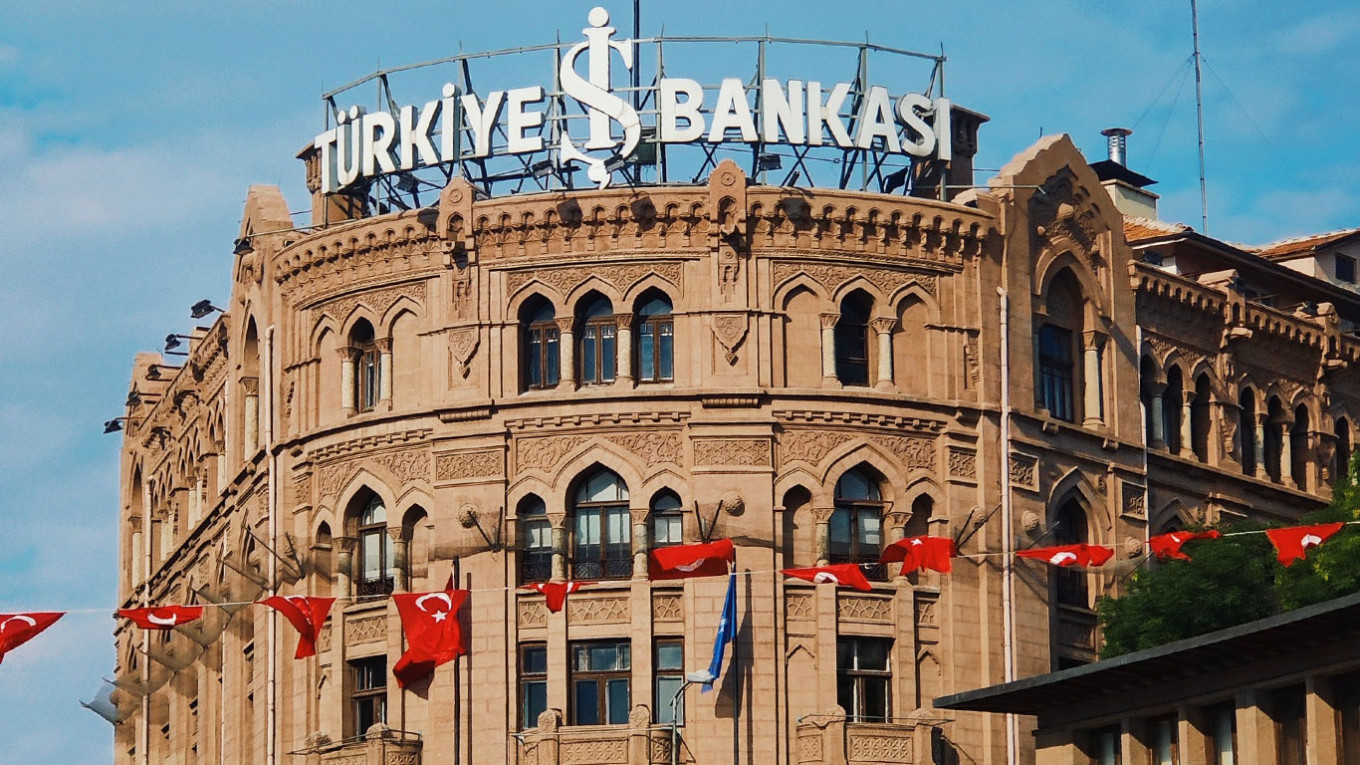
Opening a bank account in Turkey has become increasingly streamlined for foreigners. Major banks like İş Bankası, Garanti BBVA, and Yapı Kredi have dedicated foreign customer departments with English-speaking staff. The basic requirement for account opening is a tax number (Vergi Numarası) and valid passport. Some banks might also request proof of address or residence permit, though this varies by institution.
Private banking services are available for high-net-worth individuals, typically requiring minimum deposits ranging from $100,000 to $500,000, offering personalized services and preferential rates.
## Digital Banking Infrastructure
Turkish banks offer sophisticated mobile and online banking platforms, most available in English. These platforms support everything from basic transactions to investment management and utility payments. Mobile banking apps typically include features like QR code payments, cardless ATM withdrawals, and instant transfers between banks.
Digital security measures include two-factor authentication and biometric login options. Many banks have integrated their services with government systems, allowing direct access to property tax payments and other official transactions.
## Currency Accounts and Exchange Services
Banks offer accounts in multiple currencies, typically Turkish Lira, US Dollar, Euro, and British Pound. Multi-currency accounts are particularly useful for property investors and international business operators. Exchange rates at banks are generally competitive, though dedicated exchange offices (döviz bürosu) might offer better rates for cash transactions.
Foreign currency transfers can be initiated through online banking or branch visits. SWIFT transfers typically take 2-3 business days, with fees varying by bank and transaction amount.
## Credit and Debit Cards
Turkish banks issue a range of cards suitable for different needs. Debit cards are readily available with new accounts, while credit cards typically require income documentation and may have stricter requirements for foreigners. Many banks offer cards with travel benefits, shopping installments, and rewards programs.
Contactless payment is widely accepted, and mobile payment systems like Apple Pay and Google Pay are increasingly supported. Most cards now feature chip-and-PIN security, compatible with international standards.
## Investment and Wealth Management
Turkish banks offer various investment products, from traditional savings accounts to government bonds and investment funds. Time deposits in both Turkish Lira and foreign currencies provide competitive interest rates, particularly for longer terms.
Investment advisory services are available through private banking channels, helping navigate local market opportunities and regulations. Some banks also offer portfolio management services for qualified investors.
## International Banking Relations
Major Turkish banks maintain strong international correspondent relationships, facilitating smooth cross-border transactions. International money transfers can be conducted through SWIFT or alternative systems like Western Union and MoneyGram, which are often integrated into banking apps.
For property investors, banks can provide detailed statements and tax documentation in English, useful for overseas tax reporting requirements.
## Business Banking Services
Foreign entrepreneurs and business owners can access comprehensive business banking services. Corporate accounts require company registration documents and tax numbers. Business banking packages typically include international trade services, payment systems, and corporate credit facilities.
Many banks offer dedicated relationship managers for business clients, helping navigate services and regulatory requirements.
## Mobile and Internet Banking Security
Turkish banks employ advanced security measures for digital banking. Standard features include:
– SMS verification for transactions
– Daily transfer limits
– Instant transaction notifications
– Secure key devices for larger transactions
– Regular security updates and monitoring
## Understanding Banking Costs
While basic banking services often come with minimal fees, certain transactions incur charges:
– International transfers: Variable fees based on amount and destination
– Credit card annual fees: Typically $20-100 depending on card type
– Account maintenance: Usually free for standard accounts
– ATM withdrawals: Free at own bank, small fees at others
## Future Banking Trends
The Turkish banking sector continues to innovate, with increasing focus on:
– Digital-only banking services
– Enhanced mobile payment solutions
– Integration with government digital services
– Blockchain and cryptocurrency infrastructure
– Green banking initiatives
## Banking Best Practices
For optimal banking experience in Turkey:
– Research banks with strong international departments
– Consider branch locations relative to your residence
– Compare digital banking features and language options
– Understand fee structures for your typical transactions
– Maintain relationships with multiple banks for flexibility
## Conclusion
Turkish banking offers a robust combination of traditional and digital services suitable for foreign clients. Understanding available services and establishing strong banking relationships early helps ensure smooth financial operations during your time in Turkey. Regular monitoring of account features and maintaining open communication with your bank’s international department can help optimize your banking experience.